Predictive Logistics Communication: AI Email Agents Using Real-Time Data for Proactive Supply Chain Alerts
Monday, 25 Aug 2025
|
For decades, logistics has been a reactive industry. A typhoon shuts down a port, a carrier runs out of chassis, a snowstorm closes a highway—and the frantic phone calls and emails begin. We find out about disruptions when they happen, or worse, when an angry customer calls to ask where their shipment is. This reactive model is no longer sustainable in a world of increasing volatility and sky-high customer expectations.
The future of logistics isn't just about reacting faster; it's about not having to react at all. It’s about building a supply chain that anticipates disruptions and communicates proactively.
This requires turning a flood of real-time data into intelligent, automated action. Your email inbox, traditionally a source of reactive chaos, can now become the command centre for your proactive strategy, powered by an AI Email Agent.
The Enormous Cost of a Reactive Supply Chain
Waiting for problems to occur before you solve them is a recipe for inefficiency and failure.
- The Bullwhip Effect: A small, uncommunicated delay at the source—a vessel delayed by 24 hours—can ripple through the supply chain, causing massive inventory shortages or overages weeks later.
- Eroding Customer Trust: Nothing destroys a client relationship faster than them telling you about a problem with their shipment. Proactive communication builds trust; silence breaks it.
- Crisis-Mode Expenses: Reactive problem-solving is always more expensive. It means paying for expedited freight, funding emergency overtime for your team, and absorbing the costs of unhappy customers. This constant firefighting is a major barrier to effective Logistics Cost Optimization.
How AI Email Agents Enable Proactive Communication
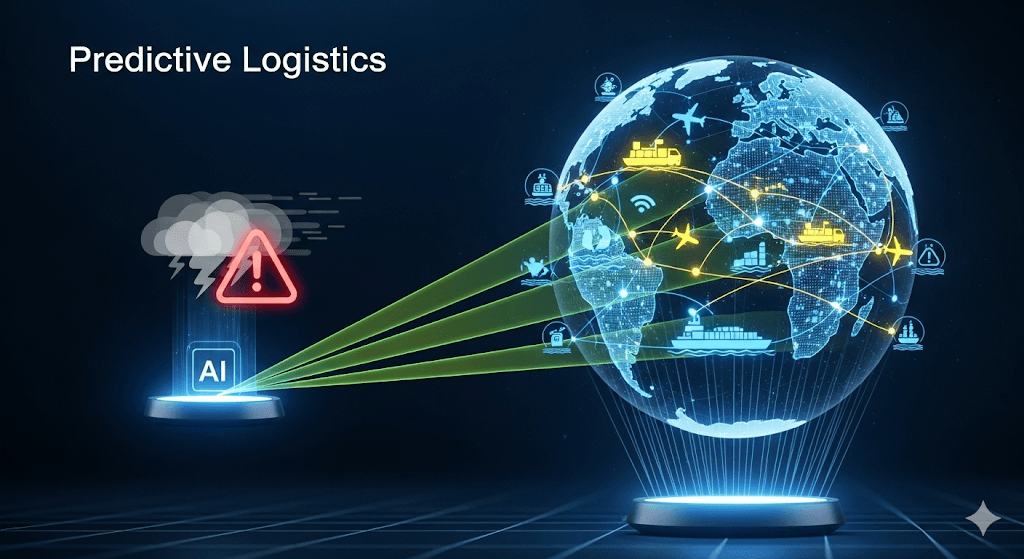
An AI Email Agent like Debales.ai evolves beyond simply processing incoming messages. By integrating with internal and external data sources, it becomes a proactive communication engine that identifies potential threats and automatically alerts the right people before they become problems.
1. Monitoring for External Disruptions (Weather, Port Congestion)
Imagine a hurricane is forecast to hit a major port where you have dozens of containers scheduled to arrive. Instead of manually cross-referencing shipping schedules and weather reports, the AI agent can:
- Integrate with Data Feeds: Connect to real-time weather, traffic, or port congestion APIs.
- Identify At-Risk Shipments: When a trigger event occurs, the AI automatically scans your TMS data to find all shipments, customers, and internal teams that will be affected.
- Execute Proactive Alerts: It can then automatically draft and send targeted emails, such as: "PROACTIVE ALERT: Your PO #12345, container TCNU567890, may be impacted by port closures in Savannah due to Hurricane Emily. We are developing contingency plans and will update you within 4 hours."
2. Identifying Internal Capacity Constraints
Valuable intelligence about capacity is often buried in emails from carriers. The AI agent reads and understands these communications at scale:
- Parses Carrier Updates: It can identify phrases like "chassis shortage," "limited capacity on the I-5 corridor," or "upcoming holiday closures."
- Alerts the Planning Team: Instead of this critical information sitting in one person's inbox, the AI flags it as a capacity risk and notifies your freight planners, allowing them to secure alternatives well in advance. This is vital for orchestrating complex Multi-Modal Transportation.
3. Automating Predictive Maintenance Schedules
Unexpected equipment downtime is a key cause of delays. An AI agent can help prevent this by monitoring communications about your assets:
- It reads service alerts from fleet telematics systems or notes from drivers about minor mechanical issues.
- It can then automatically email a pre-approved vendor to schedule a service appointment during planned downtime and update the asset’s availability in your system.
Moving from Visibility to True Foresight
This proactive capability represents the next evolution of supply chain management. It’s about moving beyond just knowing where your shipment is right now.
This is the ultimate goal of Supply Chain Visibility Through AI Email Intelligence: not just seeing the present, but anticipating the future. By turning data into proactive communication, you build a resilient, agile, and customer-centric operation that doesn't just survive disruptions—it thrives on them.
The most valuable move in logistics is the one you make before you have to.
Stop reacting to supply chain disruptions and start predicting them.
Discover how Debales.ai can transform your inbox from a reactive liability into a proactive, intelligent alert system.
All blog posts
View All →
Tuesday, 29 Sep 2026
Golden Week and an Early End to Peak: What to Automate Before the Ocean Lull
Importers front-loaded ahead of Golden Week, making September the busiest import month at 2.31M TEU (NRF). The lull after October 7 is the window to automate ocean workflows before Q1.

