What is a Digital Twin and How is it Used in Logistics AI?
Wednesday, 24 Sep 2025
|
What is a "Digital Twin" and How is it Used in Logistics AI?
In the rapidly evolving logistics landscape, the concept of a “digital twin” has moved from high-tech curiosity to a crucial tool for operational excellence. But what exactly is a digital twin, and how does it power AI-driven logistics?
Understanding the Digital Twin Concept
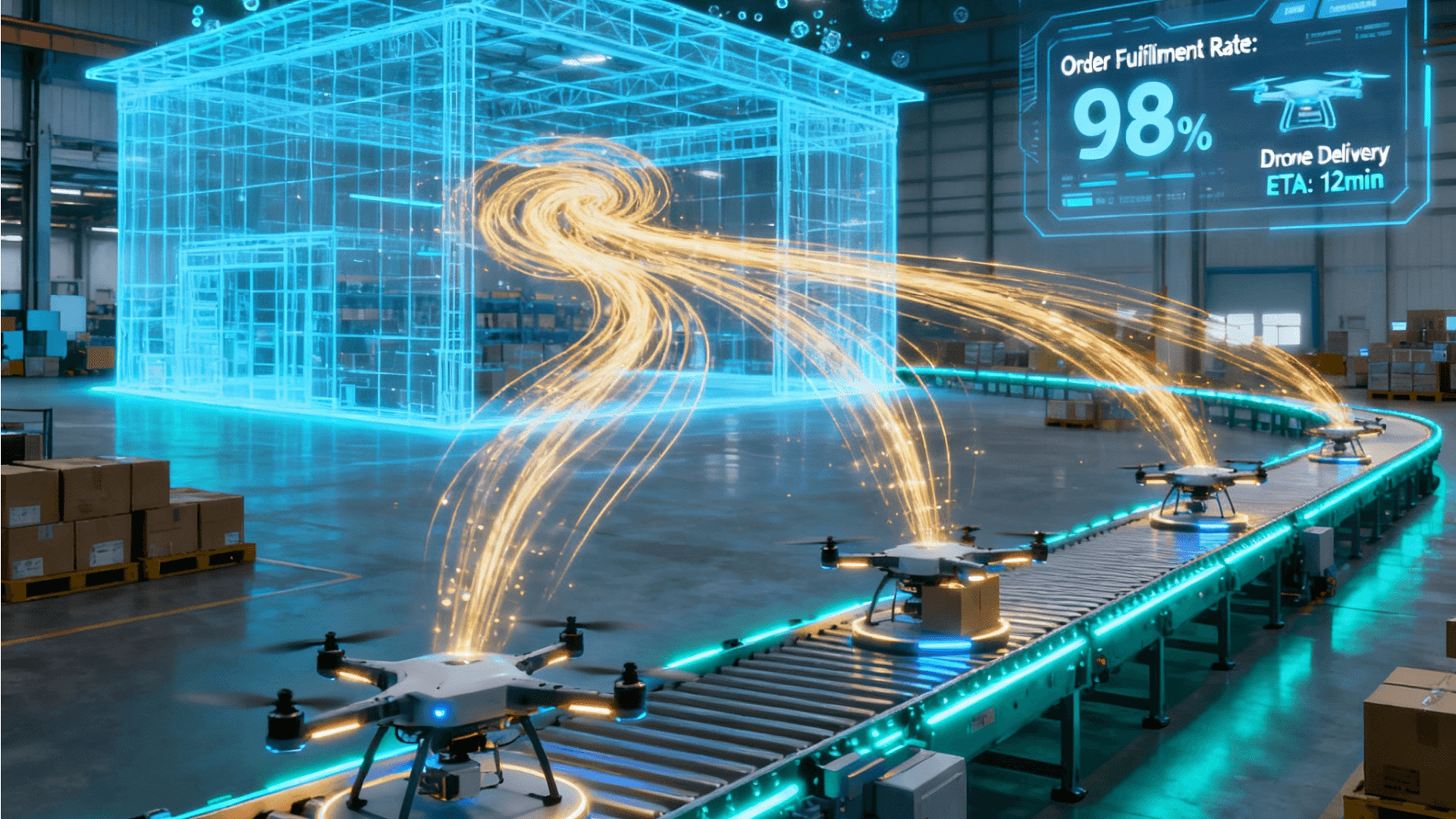
A digital twin is a virtual replica of a physical system or process that mirrors real-world conditions in real time. Imagine a precise, dynamic 3D simulation of a warehouse, distribution network, or fleet operations that continuously ingests data from sensors, software systems, and external sources to stay perfectly in sync with its physical counterpart.
This virtual model allows logistics teams to visualize complexity, simulate scenarios, and experiment with what-if conditions without interrupting live operations.
Want to visualize this better? Think of a digital twin as the ultimate logistics cockpit, providing birds-eye insights and predictive control at every moment.
Digital Twins and AI: A Perfect Pairing
When combined with AI, digital twins become intelligent decision-making engines. AI algorithms analyze the twin’s data streams, predict outcomes, optimize processes, and suggest proactive adjustments to improve cost, speed, and service quality.
For example, a digital twin can simulate the impact of a sudden warehouse shutdown or forecast the ripple effects of supplier delays, enabling preemptive action to minimize disruption.
Real-World Applications in Logistics
- Inventory Optimization: Simulating stock levels and reorder points to balance carrying costs with service availability.
- Route and Capacity Planning: Testing delivery routes, fleet utilization, and scheduling changes virtually to find the most efficient setups.
- Risk Management: Anticipating and mitigating risks from equipment failure, labor shortages, or external events.
- Process Improvement: Identifying bottlenecks, testing workflow changes, and quantifying efficiency gains before physical implementation.
Many leading logistics providers leverage digital twins combined with AI to reduce downtime, improve agility, and boost customer satisfaction.
How debales.ai Uses Digital Twins to Drive Smarter Logistics
debales.ai integrates digital twin technology within its AI platform, creating dynamic virtual models of logistics ecosystems that continuously update with live data. This real-time digital reflection enables customers to:
- Visualize complex supply chains holistically
- Run predictive simulations for operational planning
- Use AI recommendations to optimize labor, inventory, and routes
- Rapidly identify and mitigate risks through scenario modeling
These capabilities translate into faster response times and more confident strategic decisions.
For a deeper dive into AI fundamentals supporting digital twins, explore What Exactly Is AI in Logistics and Supply Chain Management?.
Embracing Digital Twin Technology: The Path Forward
Digital twins represent the cutting edge for logistics AI — a powerful combination of accurate modeling, real-time data, and intelligent decision-making. Organizations investing in this technology today position themselves for unparalleled operational visibility and market responsiveness.
Ready to see how digital twin technology can transform your logistics operations?
Discover debales.ai innovative AI platform and explore a new dimension of supply chain intelligence.
Book a demo today, and experience the future of logistics powered by digital twins and AI.
All blog posts
View All →
Tuesday, 29 Sep 2026
Golden Week and an Early End to Peak: What to Automate Before the Ocean Lull
Importers front-loaded ahead of Golden Week, making September the busiest import month at 2.31M TEU (NRF). The lull after October 7 is the window to automate ocean workflows before Q1.

